Use this in Arrangement Calculator
Create your account and jump straight into Arrangement Calculator when you are ready to apply this article.
Why Getting Your Pricing Right Matters
Pricing is the single biggest lever in your floristry business. Get it wrong and you will work sixty-hour weeks with nothing to show for it. Get it right and you build a sustainable business that pays you fairly for your skill.
Too many UK florists underprice because they feel awkward charging what their work is genuinely worth, or because they have never sat down and calculated their true costs.
The Core Markup Methods
The Multiplier Method
The simplest starting point is to multiply your total flower and sundry costs by a fixed factor. In the UK market, the standard multipliers are:
| Arrangement Type | Typical Multiplier |
|---|---|
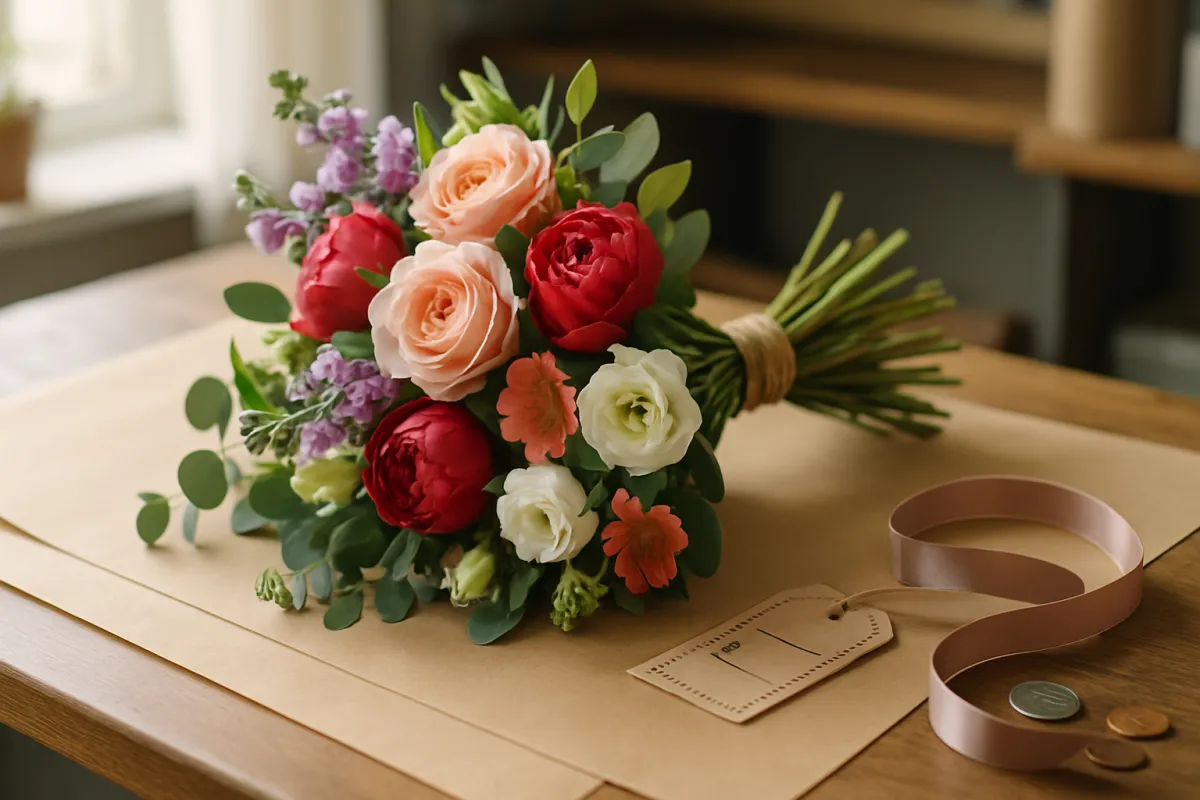
| Hand-tied bouquets | 2.5x – 3.5x |
| Vase arrangements | 3x – 3.5x |
| Wedding work | 3.5x – 4x |
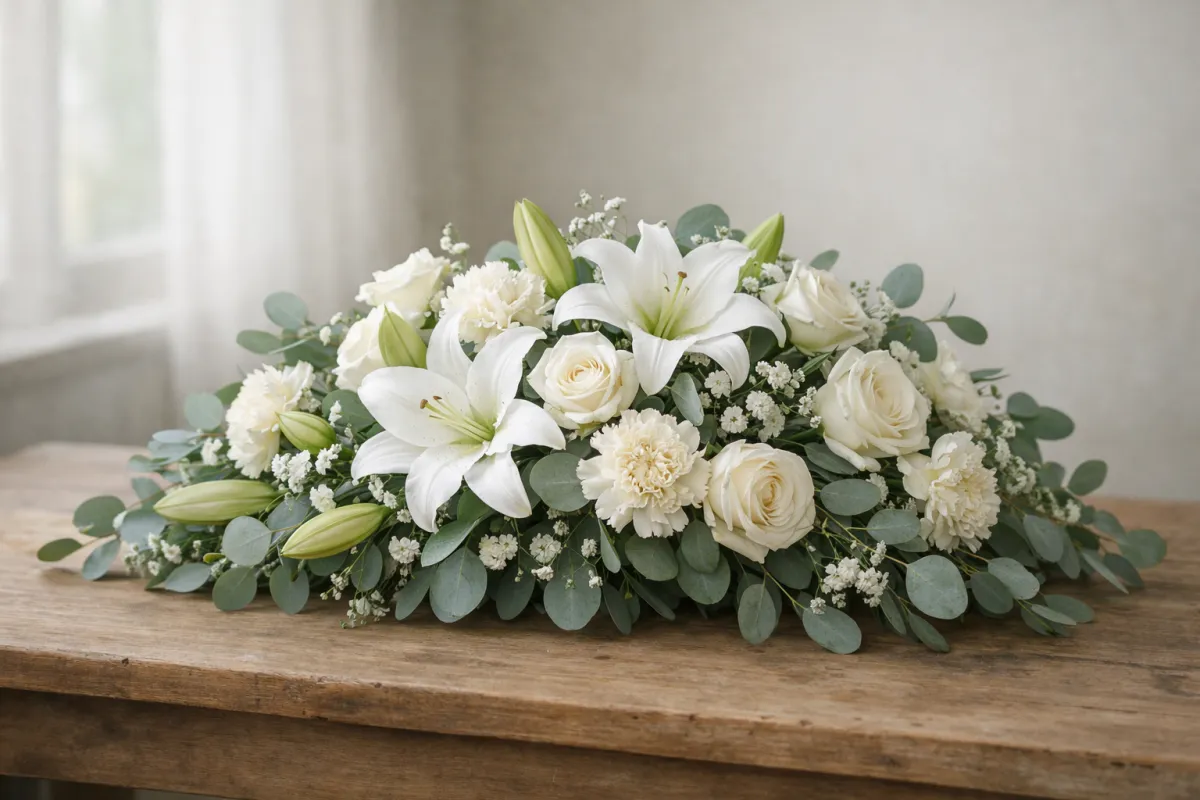
| Funeral tributes | 2.5x – 3x |
So if your wholesale flowers and sundries for a hand-tied bouquet cost £12, a 3x markup gives you a retail price of £36.
The Cost-Plus Method
Cost-plus pricing builds your price from the ground up:
Retail Price = Flower Cost + Sundries + Labour + Overhead Recovery + Waste Allowance + Profit Margin
Calculating Your Flower and Sundry Costs
Here are some typical UK wholesale costs as a reference point:
| Stem | Approximate Wholesale Price |
|---|---|
| Roses (Naomi, 50cm) | £0.80 – £1.20 per stem |
| Spray roses | £0.60 – £0.90 per stem |
| Lisianthus | £0.70 – £1.00 per stem |
| Eucalyptus (cinerea) | £0.40 – £0.70 per stem |
Sundries include cellophane, tissue, ribbon, flower food, and any vessel. For a typical wrapped hand-tied, budget £1.50 to £3.00 in sundries.
Our Arrangement Calculator lets you enter each stem and sundry item to get an accurate total cost in seconds.
Costing Your Labour
Your time has a value and it must be reflected in every price. For an experienced florist in the UK, £28,000 to £35,000 is a reasonable salary benchmark. After holidays, sick days, and admin, most florists have around 1,400 to 1,600 productive making hours per year. That gives a labour rate of roughly £18 to £25 per hour.
If a hand-tied bouquet takes 20 minutes to make, your labour cost is around £6 to £8.
Recovering Your Overheads
Typical UK floristry overheads include rent (£800 to £2,500 per month), business rates (often with Small Business Rate Relief), employer's National Insurance at 13.8%, utilities and refrigeration, insurance, and vehicle costs.
Add your annual overheads together and divide by the number of arrangements you expect to sell per year. If your overheads total £36,000 per year and you sell 3,000 arrangements, each arrangement needs to contribute £12 towards overheads.
Building in a Waste Allowance
Most UK florists experience waste rates between 8% and 15% of their flower purchases. Build this into your pricing by adding 10% to 15% on top of your flower cost.
Putting It All Together
Here is a worked example for a medium hand-tied bouquet:
| Cost Element | Amount |
|---|---|
| Flowers (8 stems mixed) | £8.50 |
| Sundries (wrap, ribbon, food) | £2.00 |
| Waste allowance (12%) | £1.02 |
| Labour (20 mins at £22/hr) | £7.33 |
| Overhead recovery | £12.00 |
| Subtotal | £30.85 |
| Profit margin (15%) | £4.63 |
| Retail price | £35.48 |
Use the Markup Calculator to experiment with different margin percentages and see how they affect your final price.
Setting Price Points for Your Market
Most successful UK florists work with set price points:
- Small: £30 – £35
- Medium: £45 – £55
- Large: £65 – £80
- Premium: £85 – £120+
Understanding Your Local Market
UK flower pricing varies considerably by region. Consider your local competition, customer demographic, seasonal demand, and delivery charges. Use our Arrangement Calculator to factor delivery into your overall profitability.
Review Your Prices Regularly
Wholesale prices shift with the seasons, energy costs change, and the minimum wage rises annually. Review your pricing at least every six months.
Pricing well is not about being the cheapest florist in town. It is about understanding your costs, valuing your craft, and building a business that lasts.
Ready to apply this?
Take this pricing advice straight into your next quote
Start with Arrangement Calculator and move from reading to doing in one step.
Try next
More tools for this topic
Arrangement Calculator
Price individual arrangements with live stem and sundry costs, markups, labour, and VAT so every quote protect...
Bouquet Name Generator
AI-crafted bouquet names tuned for weddings, sympathy, seasonal campaigns, and everyday ranges — ready to past...
Tribute Calculator
Price tribute letters, words, and shapes with accurate stem counts, OASIS frame costs, and variety comparison...